I actually hate writing blogs about loyalty failures, but here we are. This is a lesson in how not to build customer loyalty.
With Mother’s Day around the corner I was being targeted from every direction with St Valentine Mum jewellery. It worked. The product is beautiful, the targeting is sharp, and the brand shows up exactly how it should. I clicked. I bought. Tick for brand, social media and product strategy.
But here’s the thing. Acquisition is expensive. When brands invest this heavily to bring customers in, the next logical step is to retain them efficiently. That is where a loyalty program should come in. It should reduce reliance on paid media and strengthen the customer relationship over time.
Instead, what I experienced was a series of missed opportunities.
Misstep 1: The Checkout Opportunity
FIVE DAYS after placing my order, I received an email asking me to join the SV Club.
This is Loyalty 101. The most powerful moment to enrol a customer is during checkout. That is when the customer is most engaged, most committed and most likely to say yes.
Instead, I had to:
- Wait for an email
- Click through
- Manually sign up
Friction at the exact moment you should be removing it.
When my order arrived, I also received a physical insert inviting me to join the VIP program via a QR code.
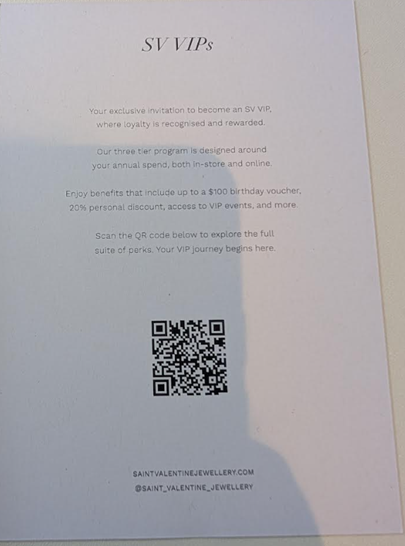
This adds even more steps:
- Open package
- Read insert
- Scan QR code
- Navigate to site
- Inscríbete
Every additional step reduces conversion.
This is a classic example of channel fragmentation. The brand is asking me to join loyalty, just not at the moment where it matters.
A simple fix:
- Embed enrolment in checkout
- Reinforce it in confirmation
- Use packaging as a reminder, not the primary acquisition channel
Misstep 2: Welcome to…What, Exactly?
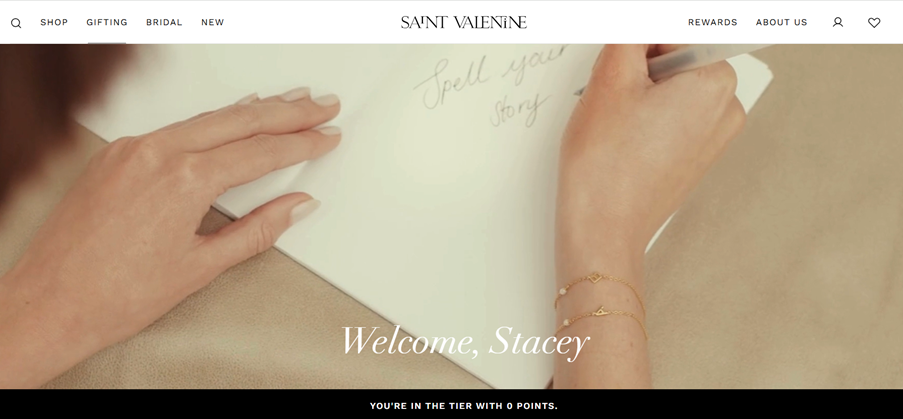
I joined. The welcome screen is personalised, which is a strong start. Recognition matters.
Then it falls apart.
I am told I am in a tier with 0 points.
What tier? Where are my points?
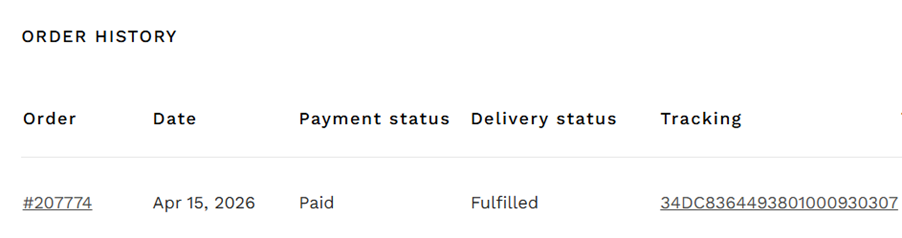
I check my account. My order is there. So where’s the connection?
This is a broken feedback loop
It also breaks a fundamental principle of loyalty program design:
Transparency builds trust. Confusion destroys it.
Customers should always be able to answer three questions instantly:
- What do I have? (points/status)
- What is it worth?
- What can I do next?
Right now, none of those are clear.
Misstep 3: Tiers Missing Motivation
Digging further, I can see I am in Silver and progressing toward Gold. That is positive. Tiering can be a powerful behavioural lever.
But there’s no progress visualisation.
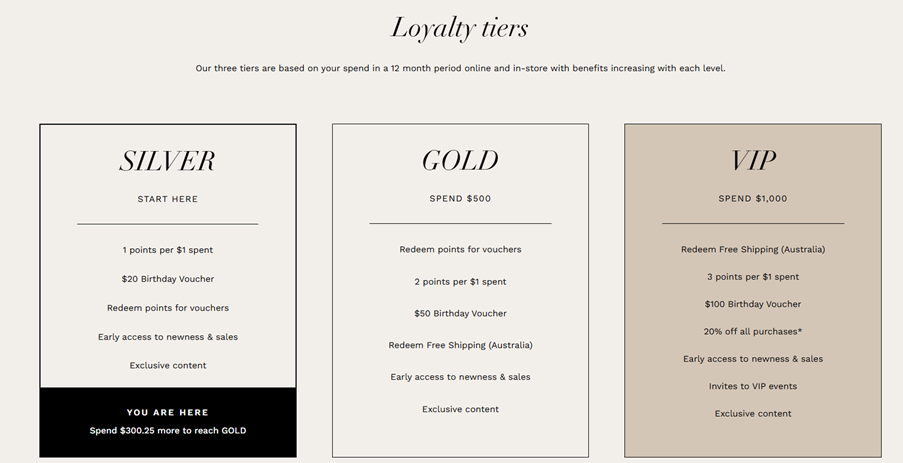
This matters more than it sounds. Progress bars tap into the goal gradient effect, where people accelerate behaviour as they get closer to a goal.
Without visibility:
- No sense of progress
- No urgency
- No motivation to spend
A simple progress bar could materially change behaviour here.
Misstep 4: Transactional Tier Benefits
The benefits structure is where the program starts to lose credibility.
- Early access to sales
- Exclusive content
These are not rewards. They are just marketing framed as benefits.
More importantly, these are transactional tier benefits. They are designed to push the next purchase (which the points component of the program also does), not to recognise or reward the customer in any meaningful way.
That is a fundamental misstep.
Tiering should signal status and create a sense of exclusivity and belonging. Right now, the tiers feel flat. There is no step change in experience, no increase in emotional value, no sense that moving up actually means something.
There is a missed opportunity here, especially given the category.
Saint Valentine sells highly personal, curated, emotionally driven products. Jewellery is not just functional. It is symbolic. It marks moments, relationships, identity.
The loyalty program should build on that.
Instead of reflecting the brand, the rewards strip it back to generic retail mechanics.
Strong programs balance:
- Economic value
- Experiential value
- Emotional value
But more importantly, they translate the brand into the reward experience.
What is missing:
- Surprise rewards
- Gifting moments
- High-perceived-value, low-cost items such as charms or exclusive pieces
- Recognition beyond spend
These are the things that create memory structures, not just transactions.
Misstep 5: Discount Led Top Tier
The VIP tier offers 20% off all purchases
This looks generous but it is a classic mistake.
It drives:
- Margin erosion
- Rewards customers who would already purchase
- Fails to change behaviour incrementally
Good loyalty design doesn’t just reward spend, it shapes it.
In this category, the smarter play would be:
- A complimentary charm
- A surprise gift
- Complimentary personalisaton
The best rewards feel like gifts, not refunds.
Misstep 6: The Points Problem (where are they?)
Here’s where things go from weak to broken.
I have:
- Made a purchase
- Completed my profile
- Added my birthday
I can see points in my history.
But I cannot find:
- My points balance
- A running total
- A clear value exchange
This is not just a UX issue. It is a value visibility issue.
If customers cannot see their points, the currency becomes meaningless.
Misstep 7: The Value Exchange
The golden rule of loyalty is value drives engagement.
Even when you dig into the mechanics here, the value exchange is lowwwww.
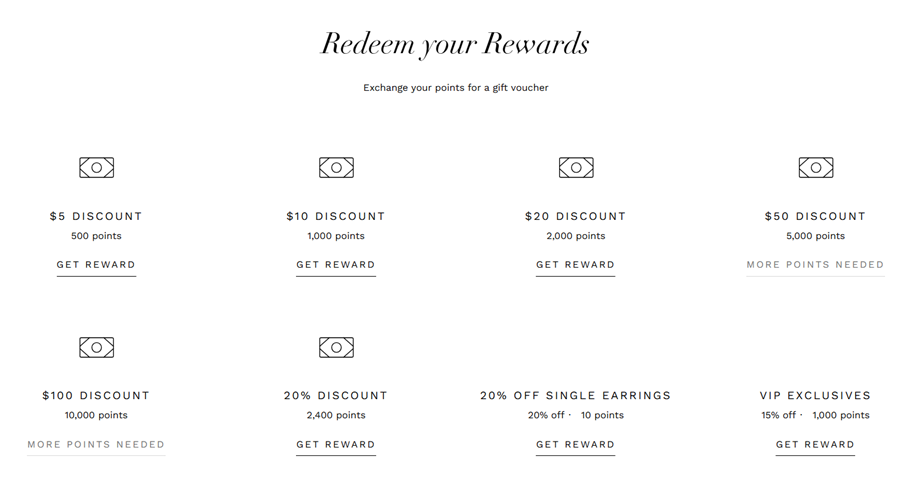
At the base level:
- 500 points = $5
- 1,000 points = $10
- 2,000 points = $20
- 5,000 points = $50
- 10,000 points = $100
At 1 point per $1 spent for most members that’s a 1% return rate.
This is significantly below industry norms for this category, and far too low to drive meaningful behavioural change or a tier striving effect.
Where it really starts to break down is in the additional redemption options:
- 20% discount for 2,400 points
- 20% off “single earrings” for just 10 points
This disparity creates confusion and undermines trust in the currency. Good loyalty currencies are simple, consistent and predictable. This one is none of those things.
Misstep 8: The Bounceback
Now layer in the bounceback offer I received in the box:
$20 off when I spend $100
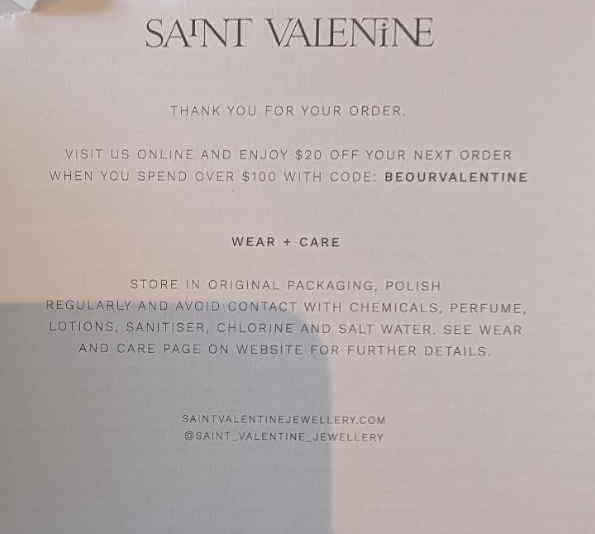
This is a 20x difference in value compared to what the loyalty program is returning. It completely undermines the program by making short term spend more valuable than long term loyalty.
Loyalty should be the best value pathway. Right now, it is the worst.
Final Verdict
Saint Valentine has:
- Strong brand
- Beautiful product
- Effective acquisition
But the loyalty program feels like an afterthought.
Right now it is a loyalty shaped object, not a functioning system and need some serious love. I feel like I’ve gone on a date and been ghosted.