
Do Loyalty Programs Work?
Yes. Loyalty programs work, but conditionally. Their effectiveness depends on program design, industry context, competitive dynamics, and how you measure success. Decades of academic research and comprehensive meta-analyses now support this with confidence
Loyalty programs are most effective when they:
1. Deliver genuine customer value
Members must receive benefits that are relevant, attainable, and meaningful.
2. Reward behavior you want to encourage
Successful programs influence future behaviour rather than simply rewarding purchases that would have happened anyway.
3. Create emotional as well as transactional loyalty
The strongest programs combine financial rewards with recognition, status, exclusivity, and belonging.
4. Use customer data intelligently
Personalisation increases relevance, engagement, and perceived value.
5. Are continuously measured and optimised
The best-performing programs evolve over time based on customer behaviour and commercial outcomes.
Explore Real-World Successes and Lessons from Top Brands
Discover how leading companies across industries are leveraging loyalty programs to drive customer engagement and retention. Our loyalty consultants break down what works, what does not, and the key takeaways from each brand’s approach.
Quick links
Case studies of loyalty programs that work
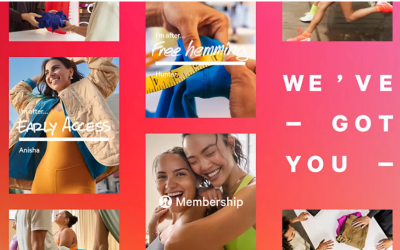
Do Loyalty Programs Work? Just Ask Lululemon
Lululemon is one of the most studied brands in global retail, and for good reason. The Vancouver based activewear company has grown from a single yoga store in...
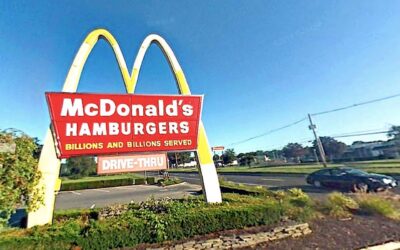
Do Loyalty Programs Work? Just Αsk McDonald’s
Editor’s note, May 2026: This article was first published in September 2024. It has been updated to reflect current MyMcDonald’s Rewards performance, reward tiers...

Do Loyalty Programs Work? Just Αsk Costa Coffee
Editor’s note, May 2026: This article was first published in October 2024. We updated it to reflect current Costa Club benefits and answer the question, “Do...
Do Loyalty Programs Work? Just Αsk Tesco
Do loyalty programs work? Just ask Tesco

Do Loyalty Programs Work? Just Ask Auchan.
Auchan loyalty programs are not the most visible in global loyalty conversations. That is partly a function of geography; the French hypermarket group operates...

Do Loyalty Programs Work? Just Ask Disney+
Disney has emerged as a major player in the streaming services industry with Disney+. Most interestingly, the entertainment giant has turned its streaming service...
Do Loyalty Programs Work? A review of scientific evidence
Loyalty programs have become a cornerstone of modern marketing strategy, with businesses across every sector investing heavily in their design, operation, and...

Do Loyalty Programs Work? Just Ask Bath & Body Works
My Bath & Body Works Rewards, launched nationally in the US in 2022, has rapidly become a standout example of a successful loyalty program. The program has not...
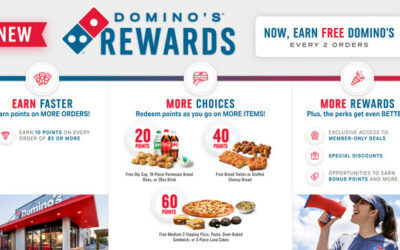
Do Loyalty Programs Work? Just Αsk Domino’s Pizza
In the quick service restaurant (QSR) industry, having a loyalty program strategy is often seen as a hygiene factor. Something that needs to be in place just to be...
Do Loyalty Programs Work? Just Αsk Bilt Rewards
Cost of living pressures doesn’t mean a loyalty program cannot be valuable to members. Bilt Rewards offers a unique loyalty program that rewards members with...
Do Loyalty Programs Work? Just Αsk Zalando
Zalando, a leading European online fashion retailer, has demonstrated the effectiveness of subscription-based loyalty programs through Zalando Plus. This program...
Do Loyalty Programs Work? Just Αsk ASDA
In today's fiercely competitive supermarket industry, loyalty programs have become a critical success factor. ASDA’s loyalty program, ASDA Rewards, has injected...
Do Loyalty Programs Work? Just Αsk Revolution Beauty
In the retail cosmetics industry, an effective loyalty program strategy is critical to drive customer acquisition, spend and retention. Revolution Beauty...
Do Loyalty Programs Work? Just Αsk Chipotle
In the fast-casual dining industry, Chipotle has earned a reputation not only for its famous burritos but also for revolutionising customer loyalty. The restaurant...
Do Loyalty Programs Work? Just Αsk Ulta Beauty
Ulta Beauty has delivered exceptional results with its Ulta Beauty Rewards program. This innovative loyalty program has played a significant role in the company's...
Do Loyalty Programs Work? Just Αsk Myer
Loyalty programs have become a crucial component of customer retention strategies and a way to differentiate in a competitive landscape. Myer One, the loyalty...
Do Loyalty Programs Work? Just Αsk SAS EuroBonus
Sometimes loyalty programs work so well they are viewed as anti-competitive. Just ask Scandinavian Airlines or SAS (short for Scandinavian Airlines System), the...
Do Loyalty Programs Work? Just Αsk Avis and Budget
Do loyalty programs work? The rental car industry is highly homogenised, with most consumers perceiving the colour of the logos as the main differentiator. A...
What is the Purpose of a Loyalty Program?
Loyalty programs that work aim to improve customer retention and boost long-term engagement. By offering rewards programs, companies encourage repeat purchases, making customers feel valued. The loyalty program business model revolves around driving incremental revenue, increasing satisfaction and higher customer lifetime value (CLV).
Acquisition
Strengthen brand value proposition and improve the conversion funnel.
Spend
Stimulate spend via cross-sell, upsell, repeat purchase behaviour and improved share of wallet across multiple channels.
Engagement
Generate non-transactional engagement across different touchpoints, especially amongst higher-value members.
Retention
Proactively retain high value members and identify and target disengaged members.
Advocacy
Leverage members with high satisfaction to become promoters.
Data utilisation
Create a value exchange to incentivise greater data sharing to support analytics and personalisation of communications, offers and experiences.
What Makes a Loyalty Program Successful?
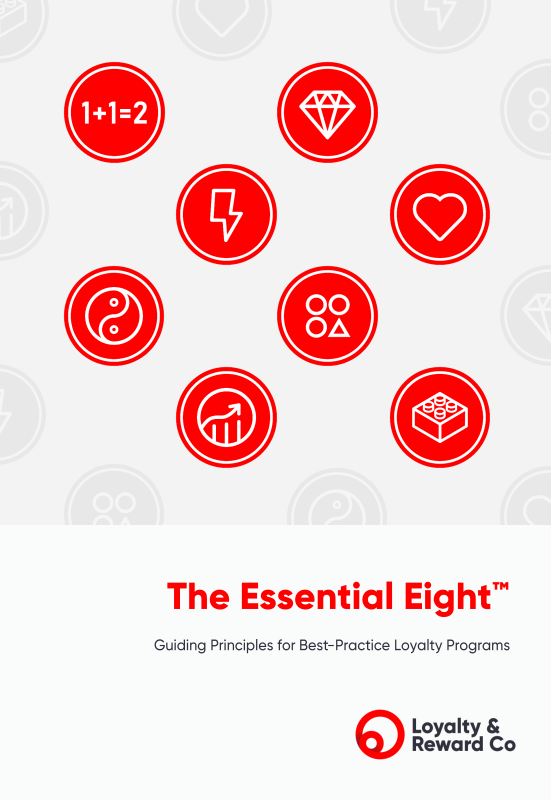
Drawing on academic research, consumer psychology, and the Loyalty & Reward Co team’s global experience, these eight essential principles define the success of loyalty programs that do work.
Loyalty & Reward Co’s Essential Eight™:
1. Simple: Easy to understand and use
2. Valuable: Rewards that matter to your customers
3. Stimulating: Encourage customers to discover and continue to engage
4. Emotional: Builds emotional connections with customers
5. Complementary: Seamlessly fits into your overall brand strategy
6. Differentiating: Stands out from competitors
7. Cost-Effective: Balances value for customers with profitability for business
8. Evolving: Constant adaptation to changing customer needs and trends
Benefits and Challenges of Loyalty Programs
Consumers
Benefits
- Value: Rewards (tangible or non-tangible) make members feel appreciated
- Exclusivity: Access to benefits that non-members don’t receive.
- Recognition: Surprise gifts or rewards offer a sense of appreciation
- Relevancy: Personalized offers and communications tailored to individual preferences
Challenges
- Perceived Value: Rewards may not feel compelling or easily accessible
- Program Overload: Consumers are often overwhelmed by the number of loyalty programs
- Marketing Fatigue: Excessive or irrelevant marketing materials can be a turn-off
- Data Privacy: Concerns over how personal data is collected and used without clear control
Companies
Benefits
- Increased Spend & Loyalty: Programs encourage more frequent and valuable transactions, reducing churn
- Member Insights: Data allows for personalised communication and offerings
- Advocacy: Delighting members can turn them into promoters
- Marketing Database: Collecting first-party data strengthens marketing efforts while cutting costs
Challenges
- Cost: Implementation and operation can be expensive, including tech, marketing, and reward costs
- Sustaining Value: Maintaining enough perceived value to keep members engaged can be difficult
- Disengagement: Over time, programs risk losing member engagement
- Competition: Continuous innovation is needed to stay relevant and competitive
FAQs
Evidence across sectors including grocery, quick service restaurants, beauty retail and streaming shows that well designed loyalty programs improve retention, spend and advocacy. Loyalty & Reward Co's review of programs including Tesco Clubcard, McDonald's Rewards and Ulta Beauty Rewards shows that mechanics built on the Essential Eight™ principles tend to outperform generic points schemes. Programs that lack a clear value proposition or fail to evolve with member needs risk losing engagement over time, so results depend on program design as much as investment.
A loyalty program aims to improve customer retention and build long-term engagement. Loyalty & Reward Co frames this purpose across six areas: acquisition (strengthening brand value proposition and improving the conversion funnel), spend (stimulating cross-sell, upsell and repeat purchase across channels), engagement (generating non-transactional interaction, especially with higher value members), retention (proactively retaining high value members and targeting disengaged ones), advocacy (turning satisfied members into promoters) and data utilisation (creating a value exchange that supports personalisation). The business case for a program rests on driving incremental revenue and lifting customer lifetime value (CLV), which our Loyalty ROI Optimiser™ helps quantify.
Loyalty & Reward Co's Essential Eight™ framework, developed from academic research, consumer psychology and delivery across more than 160 loyalty projects, sets out eight principles behind programs that work: simple, valuable, stimulating, emotional, complementary, differentiating, cost-effective and evolving. A program that satisfies these principles is more likely to sustain member engagement and deliver a positive return over time.
For consumers, a well run program delivers value through rewards, exclusive benefits, recognition and personalised offers. For businesses, the same program can increase spend and reduce churn, generate member insights that support personalisation, turn satisfied members into advocates and build a first-party marketing database. Loyalty & Reward Co's review of case studies including Bath & Body Works Rewards and Bilt Rewards shows these benefits compound when a program is designed around genuine member value rather than discounting alone.
Members can find rewards hard to access or lose interest amid program overload and irrelevant marketing, while data privacy concerns can limit their willingness to share information. For businesses, the challenges include the cost of technology, rewards and marketing, sustaining enough perceived value to keep members engaged, disengagement over time and the need for continuous innovation to stay competitive. Our Audit service helps identify these risks early, reducing the chance of a program losing relevance after launch.
Loyalty & Reward Co's Do Loyalty Programs Work? series examines named case studies including Tesco Clubcard, McDonald's Rewards, Ulta Beauty Rewards, Chipotle Rewards, Domino's Rewards, Bilt Rewards and Costa Club, among others, to identify the mechanics behind their success. Each case study sets out what worked, what did not and the practical takeaway for program operators.
Need help designing a loyalty program that works?
Looking to create a new strategy and business case for loyalty? Or struggling with engagement, program costs, or standing out in a competitive market? Our expert loyalty consultants can help you create a loyalty program that delivers real value to your customers and drives long-term business success.
Let’s work together to design a program that works for you.