

Status tiers are one of the most powerful mechanics in loyalty program design. The promise of Gold, Platinum, or Diamond unlocks aspiration, drives incremental spend, and creates switching costs that competitors struggle to match. But when global brands roll out a cookie cutter tier model across Asian markets, the results can be underwhelming, and the reasons run deeper than language or localization.
The problem is not that Asian consumers don’t care about status. They care enormously. But how status is earned, displayed, and experienced can vary so much so that a ‘one size fits all’ tier model is almost guaranteed to deliver inconsistent results.
The Western Default: Visible, Competitive, Trophy
Most tier models in circulation today were built on Western assumptions i.e., status is visible, hierarchical, and competitive. Your tier communicates where you sit relative to other members, and the program rewards you for climbing. In the United States, flashing a black Amex or boarding a plane during the “Diamond Medallion” call is a socially acceptable (even admired) signal. Although status tiers share the same structural DNA across every market (e.g., spend qualification, escalating benefits, hierarchical naming), the same mechanics can serve fundamentally different purposes depending on the market.
A department store in Tokyo and a department store in London can both run five tier systems with similar spend thresholds, yet design their benefits around different principles. A super app in Bangkok can remove its tiers altogether and see engagement improve. Each section of this piece examines how specific cultural dynamics in some Asian countries can shape the way status tiers are designed, received, and valued.
Japan: Service is Status
Japan’s loyalty market is one of the most mature and sophisticated in the world. The country’s “point economy” (or “poikatsu” culture) is deeply embedded in daily life, with platforms like Rakuten operating loyalty ecosystems across e-commerce, travel, fintech, and mobile services.
Japanese loyalty programs use status tiers prevalently, but how those tiers function, and what they are designed to make the customer feel, differs from Western models in ways that reflect a deeper cultural principle known as omotenashi (i.e., Japanese tradition of wholehearted, anticipatory hospitality, selflessness, attention to detail, and proactive care without expectation of reward). In addition, Where Western tier models may generally tend to use status as a gamified motivator (something to earn, display, and cash in), Japanese programs are more likely to use tiers as a service segmentation framework, identifying high value customers so the brand can deepen the relationship through personalized hospitality.
Case study: Harrods Rewards vs Isetan Mitsukoshi’s Customer Program
Both are iconic department store groups with spend based tiered loyalty systems. But how those tiers are treated illustrates the cultural divergence clearly.
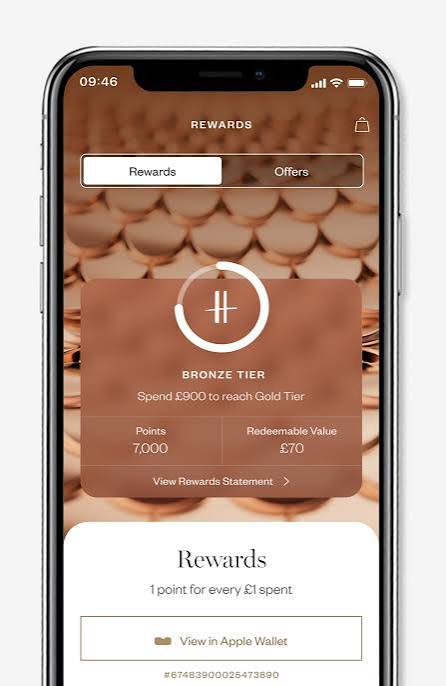
Harrods: At every tier, Harrods benefits are designed to be quantified, displayed, and physically experienced. Points multipliers escalate visibly from 1x to 2x to 3x with each tier, a numerical marker of status that members see with every transaction. Gold and above can book two personal 10% discount days per year, an active ritual of claiming your tier. Bronze members and above receive a complimentary tea or coffee daily, a small but recurring, visible reminder of membership. At the top, Black and Platinum members unlock Penthouse private shopping, a named, aspirational space. Even giftwrapping in Harrods branded packaging turns a purchase into a visible signal after you leave the store. Harrods status is something you display and take home (Harrods Rewards, 2025).
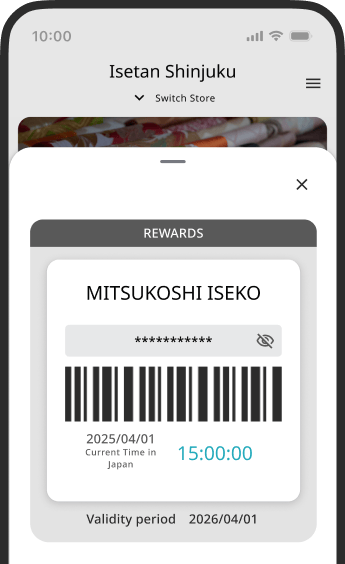
Isetan Mitsukoshi: Conversely, Isetan benefits are designed to be experienced privately and relationally. Point return rates increase with tier and card type (up to 8-10% for premium MICARD holders), but this happens behind the scenes through the MICARD data layer rather than through visible multipliers. There are no bookable discount days or publicly quantifiable perks that broadcast your tier. Instead, higher tiers unlock personalized styling, dedicated concierge, and anticipatory service, all delivered in person, in private, through a relationship. At the Premier Diamond level, members receive bespoke hospitality, but another customer on the same floor would never know. The MICARD is the silent identifier whilst the service embodies the status (Isetan, 2025).
| Harrods (UK) | Isetan Mitsukoshi (Japan) | |
| Status expression | Generally overt, quantifiable multipliers, bookable discount days, branded giftwrapping, named spaces e.g., Penthouse | Generally covert, behind the scenes points returns, private concierge, anticipatory service, direct 1:1 delivery |
| Purpose | Aspiration and immediate gratification (points, discount days) to drive volume | Precise relationship management and high touch omotenashi (concierge, anticipatory care) |
| Reward style | Transactional and quantifiable (vouchers, Penthouse access). Generally more overt rewards that demonstrate trophy value and clear status signaling | Generally covert experiential hospitality (personalised events, proactive service); limited access to coupons or immediate gratification mechanics. |
Both programs offer dedicated high touch services at the top. But Harrods frames these as exclusive perks to be aspired to, while Isetan Mitsukoshi integrates them into deeper, ongoing relational care.
Design implication: Both programs use tiers, but for different purposes. In a Western retail context, tiers often function as overt social signals and engagement drivers. In a Japanese context, where it is still often considered ‘ill-mannered’ to show overt displays of wealth or status, tiers will more commonly function as a covert service delivery framework.
China: Status as Social Currency
China presents the exact opposite dynamic. The concept of “mianzi” (face) means that visible markers of success, whether luxury goods, premium memberships, or elevated tier status, serve a practical social purpose. In a culture where hierarchy is deeply respected, status will reinforce standing within networks and signal reliability, success, and trustworthiness.
Research on face consciousness found that Chinese consumers emphasise conspicuous status markers significantly more than Western consumers, preferring socially visible products over private ones (Zhang & Wang, 2019). A separate study on Chinese airline loyalty program members found that status demotion caused feelings of frustration and social discomfort grounded in the concept of “losing face,” which in turn led members to switch service providers (Banik, Gao & Rabbanee, 2019). Status tiers in China are not just experienced privately. They are designed to be seen, and taking them away carries real consequences.
Case Study: Alibaba’s 88VIP
Alibaba’s 88VIP boasts over 50 million members and provides a good illustration of how this cultural context plays out in program design. Membership is tied to a spending threshold that itself signals purchasing power, and Alibaba explicitly frames it as “尊贵身份” (prestigious/honored identity) in its marketing.
Status is made visible in multiple ways:
- 88VIP members carry a distinctive badge next to their username on Taobao and Tmall, visible during checkout, in order history, and in reviews
- Sellers can see a member’s tier level in the chat and order system, and many provide preferential treatment accordingly, including faster responses, priority returns, and small gifts
- Members also receive exclusive red packets and discounts clearly labelled “88VIP Exclusive,” which are commonly screenshotted and shared on WeChat Moments or Xiaohongshu with captions like “88VIP saved me another ¥XXX.” i.e., the status signal is not just internal to the platform, it is designed to be socially shareable
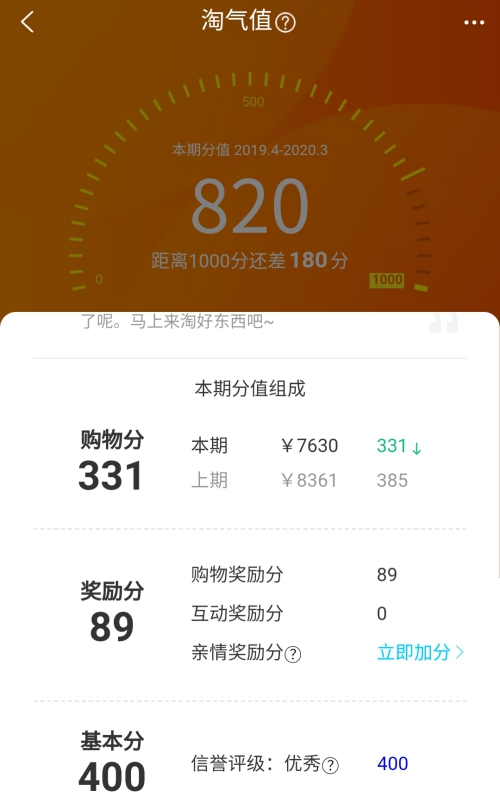
In August 2025, Alibaba extended this visible status architecture further by launching the “Grand Membership System”, where every Taobao user is a Super Member, and is auto allocated into six gamified tier ladders from Bronze to Black Diamond. Users at Platinum and above can activate 88VIP for just RMB88, and Black Diamond members receive over 14 benefits including dedicated concierge and access to gold status with 31 hotels such as Marriot and Hilton (Alibaba Group, 2025). The system incorporates a transparent “Taobi” score showing users exactly how their tier is calculated and what they need to do or consume to increase their score and reach the next level. Each tier upgrade is a visible milestone, each badge a social marker e.g., members with a Taobi score below 1000 are called 88 Members, while those above 1000 are 88 Super Members and unlock discounts on annual membership (36Kr, 2025).
Design implication: Brands entering China need to make status visible and socially shareable, not just functional. Tiers and badges alike should be displayed prominently, benefits should be designed to be screenshotted and shared, and gamified progression mechanics should make each level up a visible milestone. Equally important is how programs handle status loss, in a market where face (manzi) holds upmost importance, granting status is widely desired, but taking it away carelessly can cost you the member entirely.
Thailand: Utility First, Status Second
For Thai consumers, the approach to status tiers must shift yet again to suit a more price sensitive and value driven market. Intellify’s Thailand Consumer Trends Outlook identifies “value driven pragmatism” as a leading consumer trend, with 78% of Thai consumers prioritizing ease and convenience in purchasing decisions (Intellify, 2025). Convenience stores are the country’s fastest growing retail format (11.1% CAGR through 2030), reflecting a shopping culture built on high frequency, small ticket, daily purchases rather than occasional aspirational spending (Intellify, 2025). The Marriott Bonvoy Loyalty Trends Report reinforces this, placing Thailand in the “Value Optimizer” category, where consumers prioritize convenience, savings, and tangible perks over aspirational status (Marriott Bonvoy, 2026). In this context, tier structures that deliver achievable thresholds and more tangible benefits are likely to outperform tier models that require drawn out accumulation toward a distant reward.
Case study: The 1 (Central Group)
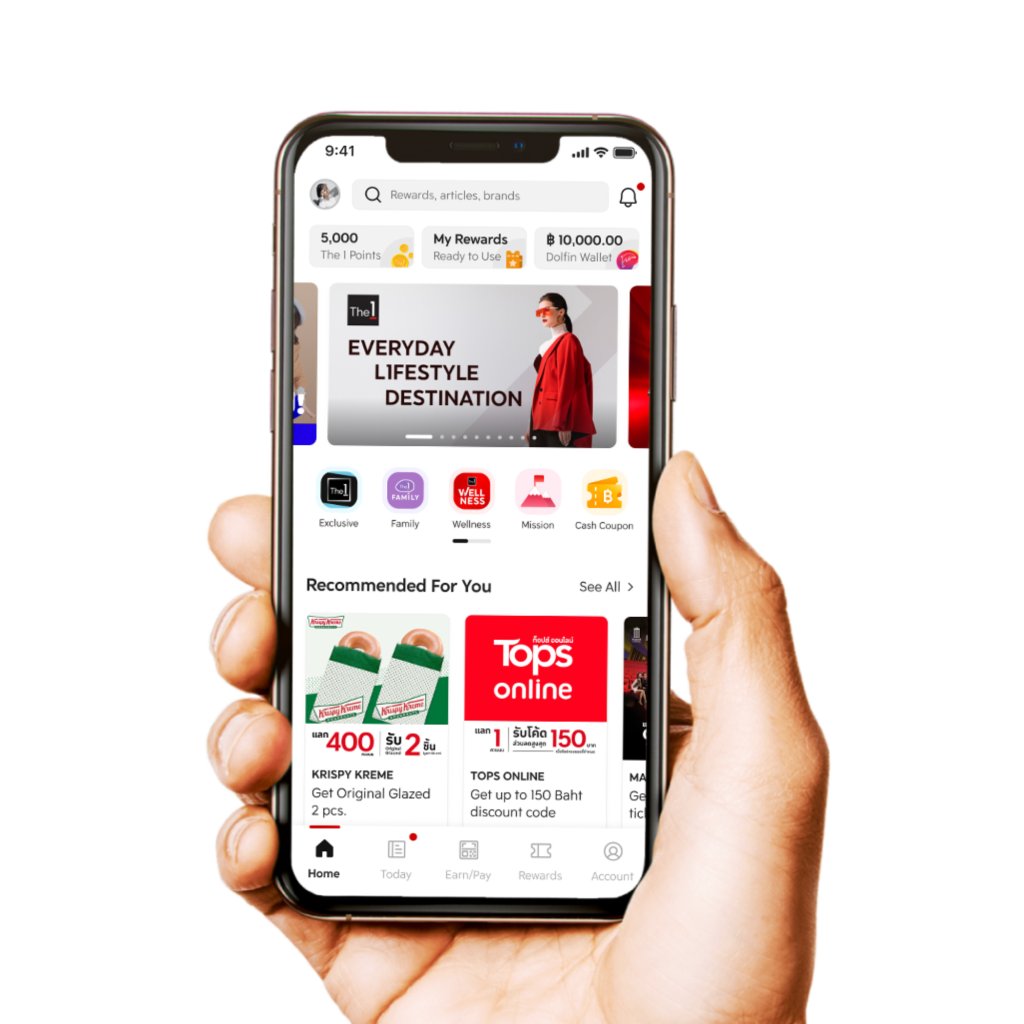
With over 22 million members (roughly 25% of Thailand’s population) and partnerships with more than 1,000 brands, The 1 is the country’s dominant loyalty platform. Members earn and redeem points across Central’s ecosystem of supermarkets, department stores, electronics retailers, and convenience stores, including FamilyMart, Tops Market, and Power Buy. The program operates just two tiers i.e., base membership and a single “Exclusive” segment at 250,000 baht (approximately US$7,000) in annual spend. Unlike Western programs that leverage multiple tiers to create a visible progression path, nudging members upward through incremental spend thresholds and escalating rewards, The 1 offers no mid-tier incentive to spend more, no “Silver to Gold” progression. The structure reflects the market, which is a broad, utility driven base for the masses, and a narrow premium segment for top spenders (Central Retail, 2025).
Case study: GrabRewards to GrabCoins.
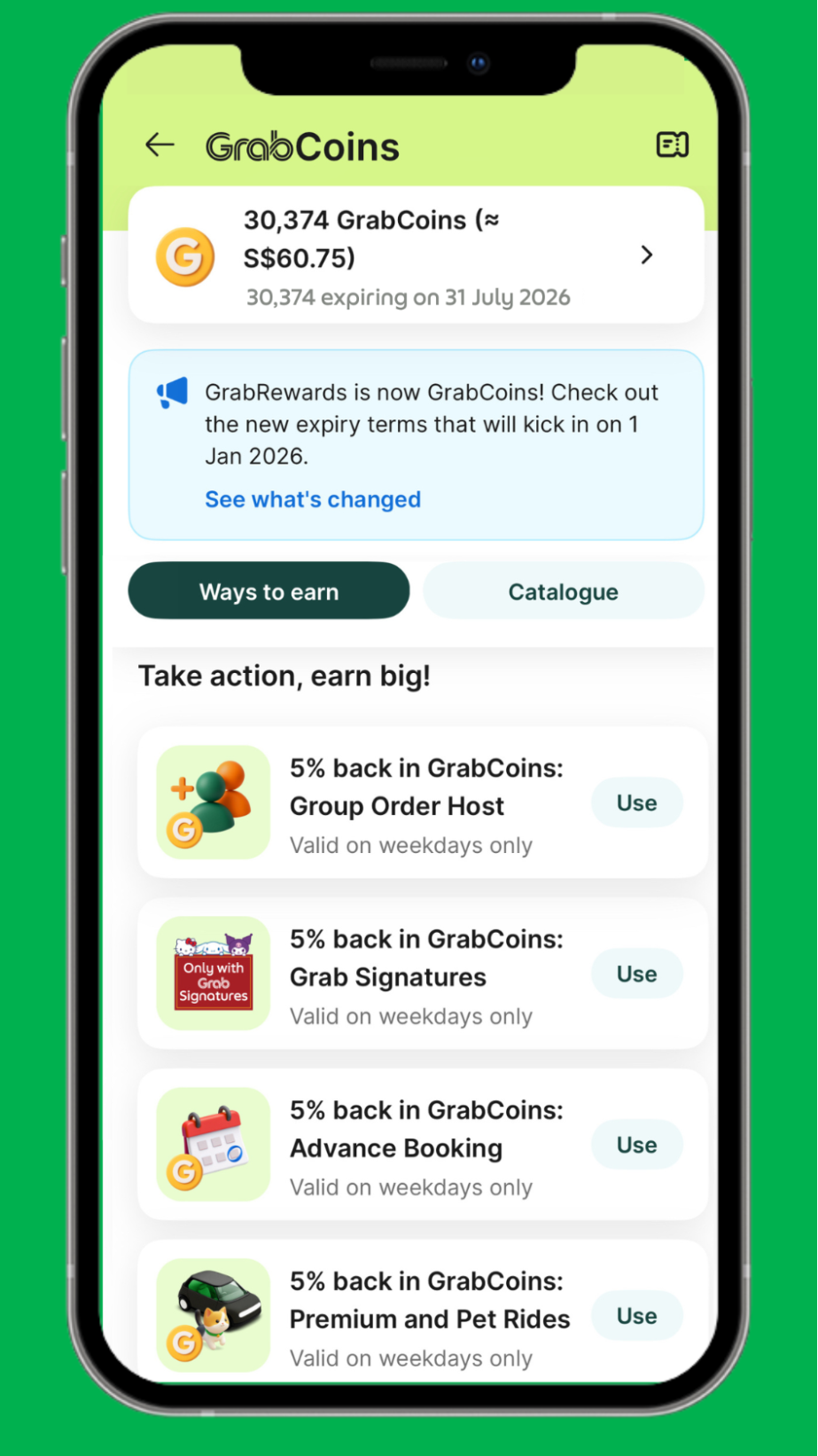
Grab’s loyalty evolution reinforces the value centric market context by taking their strategy a step further. GrabRewards originally operated a four tier model qualified through an opaque, points based system that refreshed every six months. In November 2025, they rebranded as GrabCoins and discontinued the four tiers entirely in 2026, replacing it with a unified earning system framed as offering more “tangible and immediate” ways to save (Marketing Interactive, 2025). Rather than keeping a long progression ladder, the business introduced GrabVIP i.e., a single, quarterly, bonus tier for users spending over THB 30,000 (~US$860) within three months, unlocking priority delivery, enhanced customer support, and partner privileges with Emirates, ONESIAM, Centara Hotels, and King Power (Grab Thailand, 2025). Grab had the multi-tier model, tested it across Southeast Asia, and actively chose to strip it back in favor of immediate value for the majority and a single, transparent, attainable bonus tier for its most active users.
Design implication: Both of Thailand’s largest loyalty ecosystems have converged on a similar structure i.e., broad, utility driven access for the mass market, and a single premium segment for top spenders. Rather than multi-tier ladders designed to nudge members upward through incremental thresholds, the Thai market may favor a clear split between everyday value and a targeted, achievable bonus tier. For brands entering this market, the implication is practical i.e., invest in a strong base proposition, and keep premium tiers targeted, transparent, and relatively achievable until a more robust middle segment emerges.
South Korea: Status You Can Touch
South Korea is another example of a market with a strong cultural affinity for visible status markers, rooted in the concept of chaemyeon (체면), the Korean notion of social face. While chaemyeon has been widely studied in the context of luxury consumption (Journal of Global Fashion Marketing, 2011; Kwon, 2018), a 2026 study found that social face sensitivity continues to drive conspicuous spending behavior among Korean Generation Z (You, 2026), suggesting the dynamic extends beyond product purchases to any visible signal of social standing. In South Korea’s loyalty landscape, status tiers have become one of those signals. Holding VIP membership at a major department store or luxury hotel chain, accessing an exclusive lounge, or qualifying for a VVIP tier are not just functional benefits. They are visible social markers that reinforce standing among peers.
This cultural context is commercially measurable. At the country’s three largest department store chains, VIP customer spending now represents 43 to 51% of total sales, up sharply from 31 to 38% in 2020 (Korea Times, 2025; IGDS, 2025). In response, retailers are not lowering tier thresholds to broaden access. They are raising them.
Shinsegae increased its Diamond tier to ₩70 million (~US$48,000), Hyundai lifted Jasmine Black to ₩150 million (~US$103,000), yet Shinsegae’s VIP clientele still grew by 3.7% that year (IGDS, 2025). Higher thresholds validate exclusivity rather than limiting it. Meanwhile, “flex culture” among millennials and Gen Z has driven the creation of youth-specific tiers like Hyundai’s Club YP, an exclusive VIP lounge for high-spending individuals under 45, requiring ₩30 million (~US$21,700) per year (Korea Times, 2025).
Case study: Shinsegae Department Store.
Shinsegae’s top 999 spenders receive a specialized VVIP tier every six months, unlocking private app curation zones, hyper rare product access, and Michelin starred dining events. Its Gangnam branch became the first in South Korea to surpass ₩3 trillion (~US$2 billion) in annual sales, with VIP lounge services cited as a key factor (IGDS, 2025). VIP status carries so much social capital that retailers have had to tighten monitoring of fraudulent receipt trading, where purchases are traded on secondhand platforms to help others meet VIP qualification thresholds (IGDS, 2025).
Case study: The Shilla Seoul
The Shilla Seoul hosts annual private parties for 400 selective VIPs featuring celebrity music performances, regularly delivers premium plants to members’ homes, and runs reserved classes in arts and gastronomy under a program called “The Highest Class” (Korea Times, 2025).
Design implication: South Korea is a market that actively embraces status tiers, but demands that the status be tangible, physically experienced, and socially validated. Raising tier thresholds can increase rather than reduce VIP engagement. For brands entering this market, the lesson is counterintuitive, in that making status harder to reach can at times make it more desirable.
Five Principles for Culturally Adaptive Tier Design
- Separate the tier model from the tier expression.
The underlying qualification logic can be consistent, but how status is communicated and experienced should be localized. In Japan, tiers deliver service. In China, they deliver social visibility. In South Korea, they deliver tangible, physical exclusivity. In Thailand, they deliver transparency and utilitarian benefits. - Calibrate thresholds to market context.
Raising thresholds can increase VIP engagement in some status driven markets, while markets others will still require free entry tiers with achievable progression. There is no universal “right” threshold. Qualification levels must reflect local purchasing power, cultural attitudes toward exclusivity, and the commercial role the tier is designed to play. - Match the benefit type to the cultural driver.
Different cultural contexts will respond differently to overt or covert benefits. Some will be very engaged with visible, shareable perks and gamified progression, whilst other markets might be more motivated by tangible, physically manifested exclusivity (lounges, events, curated access). Immediate, functional value for Thailand. A blend of instant utility and aspirational experiences for India. - Design for how status is lost, not just how it is earned. In some markets, tier demotion may triggers social discomfort leading to brand switching. In South Korea, VIP status carries enough social capital that receipts are traded to maintain qualification. How a program handles downgrades, expiry, and threshold increases can matter as much as the benefits themselves.
- Don’t assume tiers are the answer everywhere.
The tier ladder is one tool, not the only tool, and in some markets a simpler structure outperforms a complex one.
Conclusion
The global loyalty industry has spent decades refining tier mechanics, but much of that refinement has happened within Western cultural assumptions e.g., status as aspiration, visibility as motivation, gamification as engagement. Across Asia, those assumptions break down in market after market. In Japan, status is a covert service framework built on omotenashi. In China, it is social currency designed to be seen, shared, and protected. In South Korea, it is tangible exclusivity that becomes more desirable the harder it is to reach. In Thailand, it might take a back seat to everyday utility.
This piece examines tier mechanics through a cultural and market lens, and that lens reveals real commercially measurable differences in how status is designed, received, and valued. But culture is only one input into tier strategy. Industry dynamics, business model, commercial objectives, member distribution, and competitive positioning all play equally significant roles.
Airlines, for instance, operate largely standardized tier structures and benefit sets regardless of market, because the operational logic of seat classes, route networks, and partnerships constrains how much localization is practical. The same is true of global hotel chains, where tier consistency across properties is itself a core part of the value proposition.
What makes tier design one of the most complex frameworks in loyalty is that all of these factors interact. The right answer for a department store in Seoul is not the right answer for a super-app in Bangkok or a luxury brand in Shanghai, even if all three use “tiers.” The brands that succeed across Asia will be those that understand not just which levers to pull, but which ones matter most in each context.
Status is universal. How people want to experience it is not.