Editor’s note, May 2026: This article was first published in May 2022. We updated it in May 2026. This update reflects the Burberry luxury loyalty program case study, its current community sign-up experience and its earlier social retail concept.
A Burberry luxury loyalty program shows how luxury brands can reward engagement without relying on discounts. This happens for several reasons:
- Market saturation creates pressure, and competitors can quickly copy weaker loyalty strategies.
- Many customers buy luxury products less often than everyday retail products.
- Points, discounts and free products can weaken the perception of exclusivity.
Loyalty in luxury retail
Luxury retailers face extra complexity when they consider loyalty program design. Discounts, free products and samples can clash with brand heritage, scarcity and premium pricing. Most customers also do not buy designer products often enough to earn frequent rewards.
As a result, many luxury brands lean into loyalty strategy rather than traditional earn-and-burn mechanics. They often use one-of-a-kind experiences, exclusive invitations and status-led access. We explored this idea in our article on Hermes and its luxury loyalty program: ‘Luxury loyalty program that isn’t really a loyalty program’.
Emulating the digital experience in-store
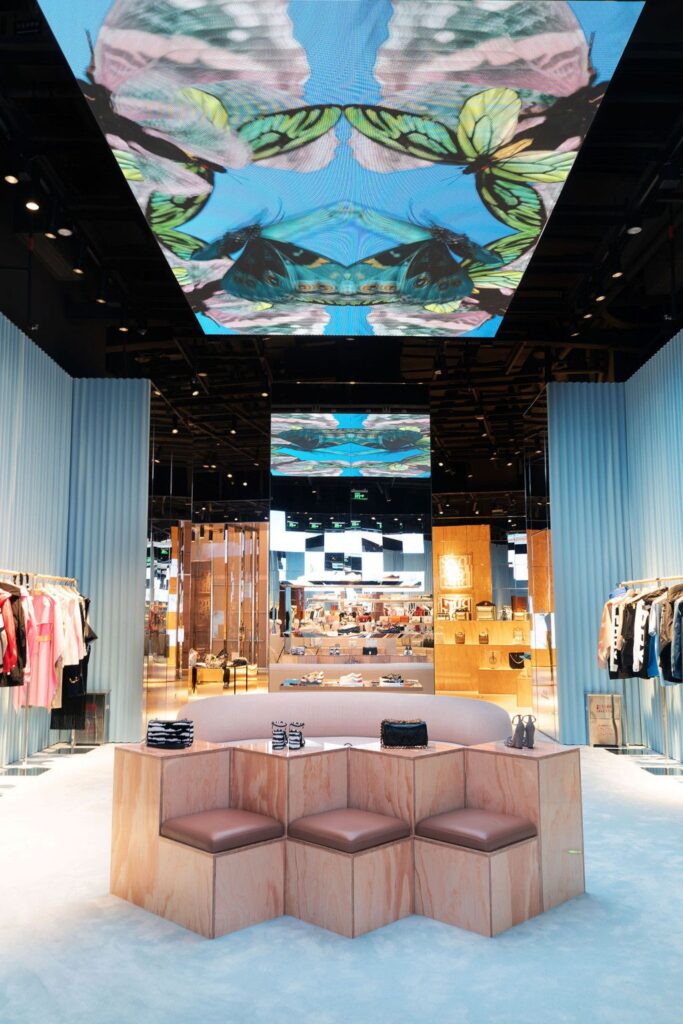
In July 2020, Burberry and Tencent launched a social retail concept in Shenzhen Bay. The store blended physical retail with digital interaction through a WeChat mini program. It remains a useful case study in luxury loyalty program design. As a Burberry luxury loyalty program case study, the store showed how digital interaction could support brand engagement.
Customers used the WeChat mini program as they explored the store. Visitors unlocked a digital animal avatar when they opened the mini program. The avatar first appeared as an unhatched egg. Customers earned social currency as they engaged with the brand and in-store features. That currency helped hatch and develop the animal character.
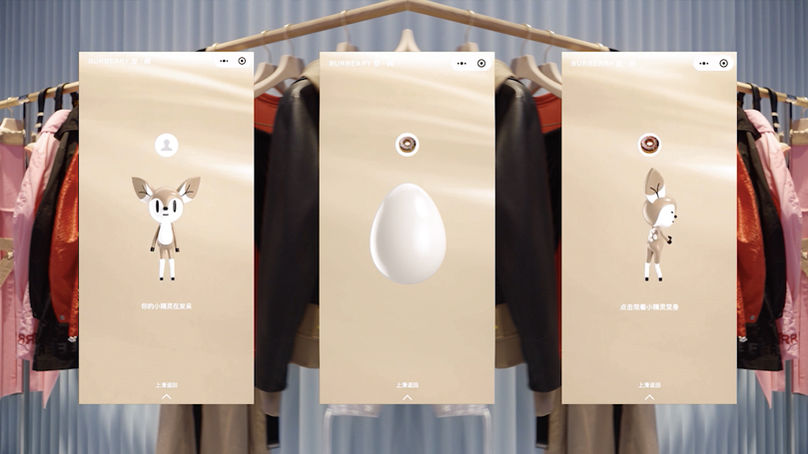
Interactive Earn
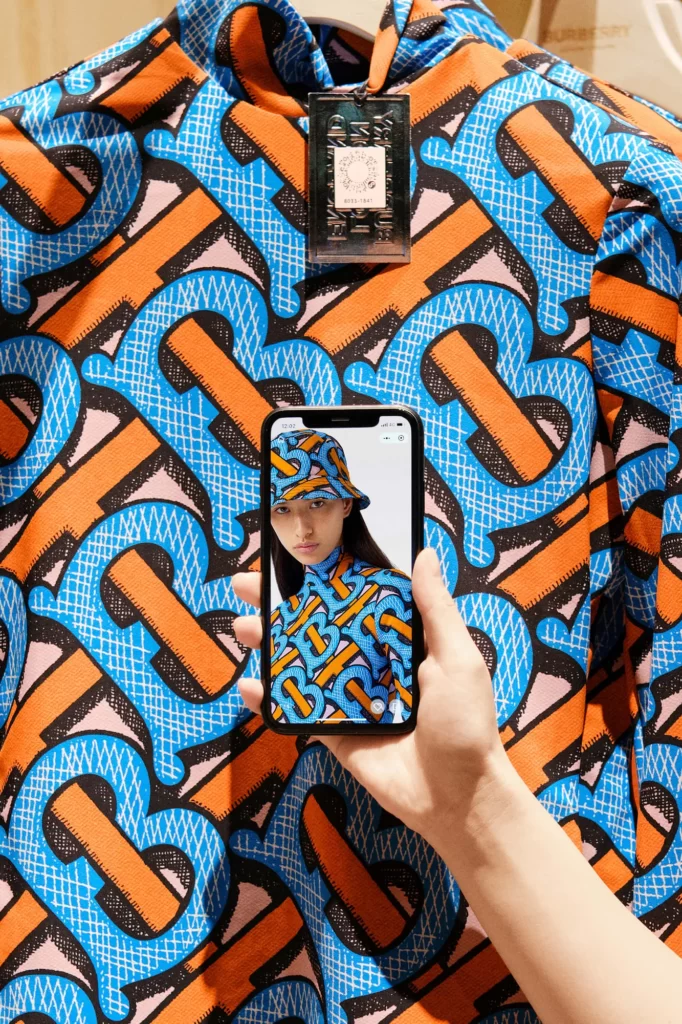
- Unlock stories: Members earned social currency by scanning QR codes throughout the store. These QR codes revealed stories behind clothing items and collections.
- Share on social: A digital mirror responded to the person standing in front of it. Members could share interactive store moments and earn more social currency.
- Use the app: Members could also earn social currency through mini program features.
These features included appointment bookings and other in-store interactions. The store included up to ten exhibition spaces for members to explore.
Uniquely relevant rewards
Members could use social currency for several experience-led rewards:
- Digital characters and costumes: Members unlocked in-app clothing items for their animal characters.
- Secret menu items: Members could unlock dishes at the in-store Thomas’s Café.
- VIP events: Members could use social currency to access workshops, exhibitions and performances.
- New rooms: Members could unlock The Trench Experience.
This immersive room helped customers create digital content for social media.
A new direction for loyalty in luxury
Burberry’s social retail concept showed how luxury brands can reward engagement without relying on discounts. The experience used status, discovery, gamification and access to deepen customer engagement.
In 2026, Burberry’s public community sign-up appears much simpler. It focuses on email updates about collections, campaigns, stories, products, services and events.
Even so, the Shenzhen concept remains a strong luxury loyalty program case study. It shows how luxury brands can create emotional value through experience, not just reward value.
2026 update: Burberry’s current community sign-up
Burberry’s current public sign-up page does not promote a traditional points-based loyalty program. Instead, customers can join Burberry’s community for updates on collections, campaigns and stories. The sign-up copy also references products, services and events.
This makes the 2020 Shenzhen concept more useful as a case study than a current global program.
For luxury loyalty, that distinction matters. The strongest idea here is not the currency itself. It is Burberry’s use of experience, access and digital interaction to create emotional engagement.
¿Quiere mejorar su estrategia de programas de fidelización?
Our loyalty consultants have helped global brands take the critical steps to design effective loyalty programs, as well as support ongoing evolution to meet changing business and consumer expectations. Make your luxury fashion brand stand out by contacting us to talk with our expert loyalty consultants to understand how we can help you create a luxury loyalty program strategy that keeps your customers coming back.